
Sound science
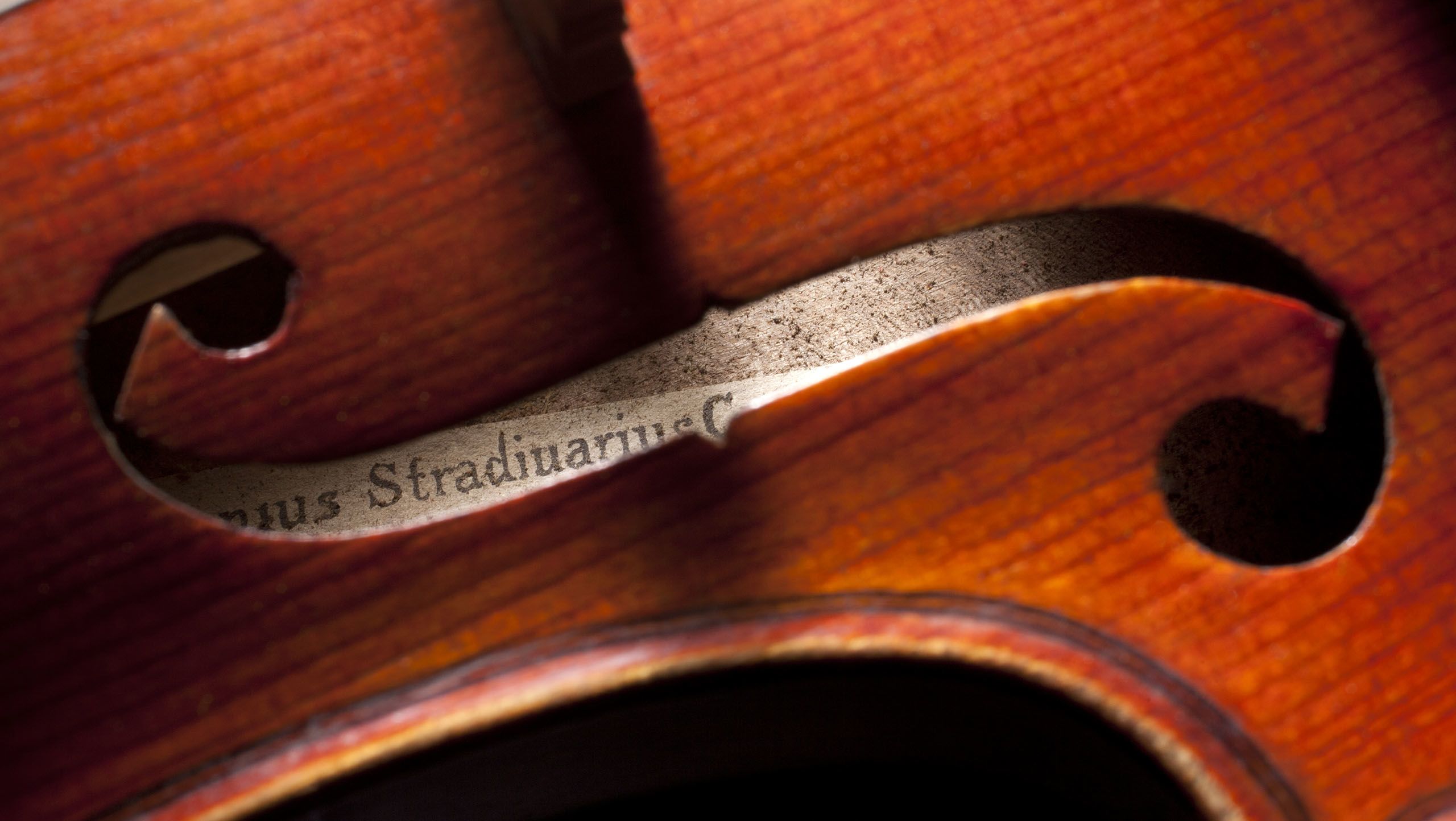
Borates and Stradivari






For centuries, musicians have revered Stradivarius violins for their superior sound quality. Countless researchers over many decades have attempted to discover the secret of their tonal brilliance.
Research has confirmed previous theories that the chemical treatment applied to the wood – not the wood itself – is largely responsible for Stradivarius instruments’ unique sound quality.
One study identified trace amounts of five key chemicals, including borax, used in the preparation of the wood.




Stradivari craftsmanship
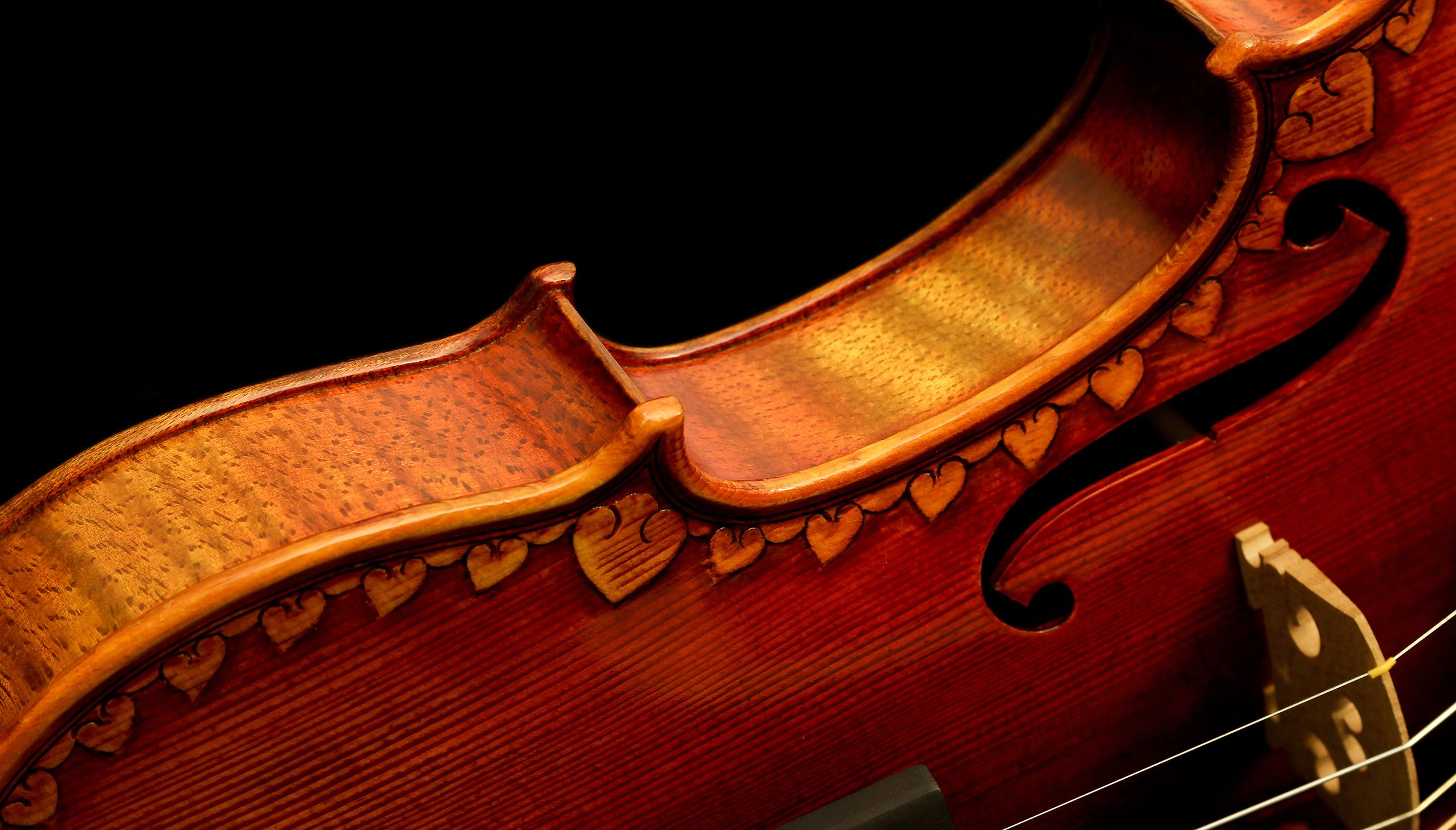
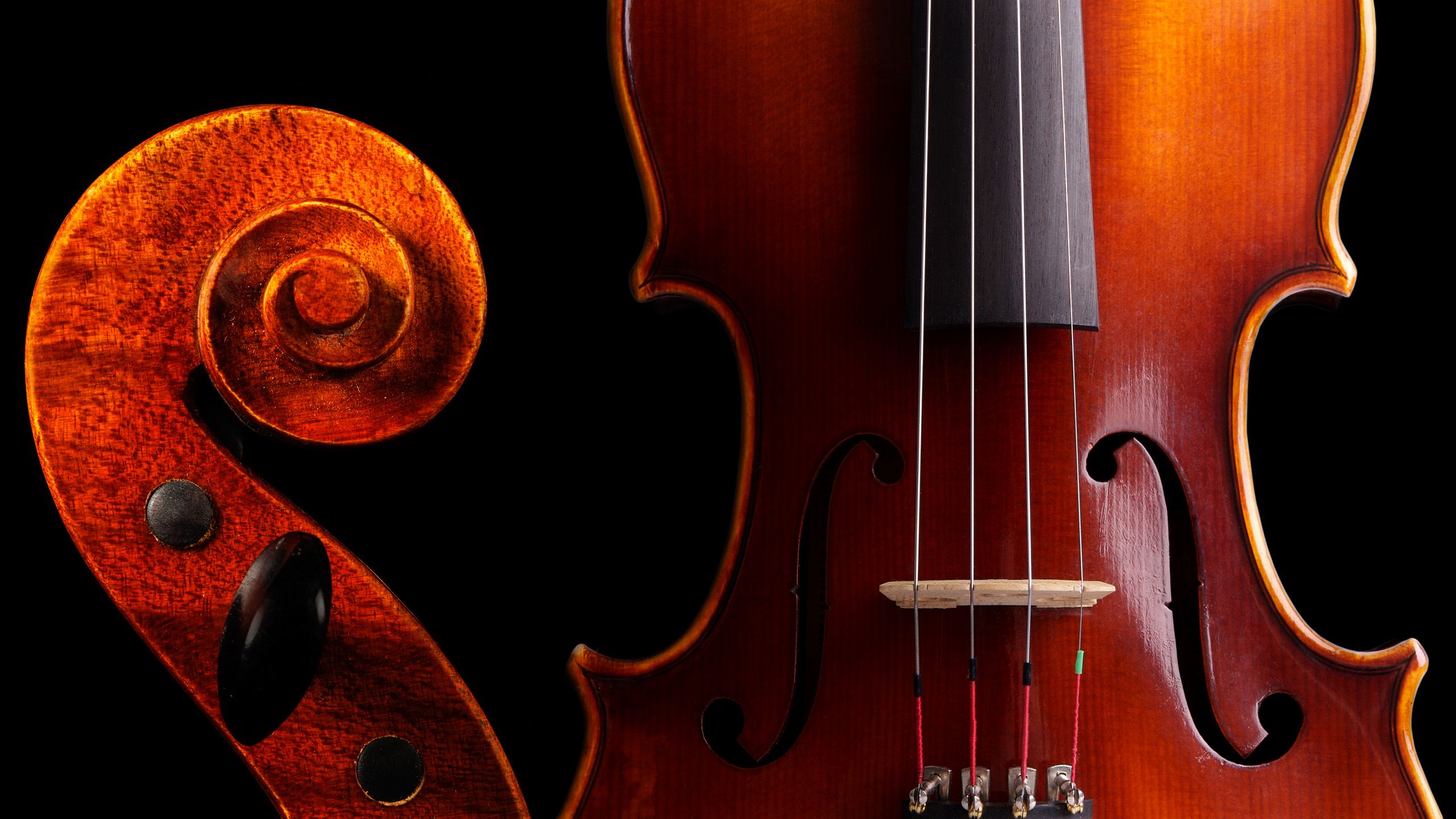
Regarded by many as the greatest violin maker in history, Antonio Stradivari fashioned his instruments from his shop in Cremona, Italy, perfecting their proportions in the early 1700s. His special approach set a precedent for unparalleled sound quality.


The sound Stradivari’s instruments produced was so unique, so special, that people questioned how it was possible that the crafting alone was responsible. Was it the type of wood? Was it because it came from a specific tree, subject to particular growing conditions? More recently, researchers have asked whether the perceived quality is all in our heads – a psychological tease given merit by Stradivari’s name and reputation.





Modern technology
Texas A&M biochemistry professor and violin maker Joseph Nagyvary proposed that treatments applied to preserve and protect the wood were responsible for the exceptional acoustics. He noticed wood artifacts from the same era frequently had significant damage from wood-boring insects. Yet, wooden objects from Italian cities Cremona and Venice had little to no damage. The most pristine of the surviving instruments are usually finished with a brittle, almost glassy substance.
He deduced that someone had discovered a way to chemically treat the wood to protect it—and proceeded to recreate the effect by experimenting with various preservatives.


Joseph Nagyvary holding a violin and viola. Photo courtesy of Joseph Nagyvary
Joseph Nagyvary holding a violin and viola. Photo courtesy of Joseph Nagyvary
As a chemist, Nagyvary knew that boron was used as a biocide even in Stradivari’s time. He also knew borates act as a cross-linking agent, binding different molecules together in a gelatinous web and filling tiny pores in the wood. In his research, Nagyvary added a varnish that included borax to Italian maple and observed that it made the wood much harder and stronger. It also had a profound effect on the acoustic properties of the resulting violins.
Researchers at the Swiss Federal Laboratories for Materials Science and Technology studied the effects of varnish on wood and resulting sound quality. They discovered varnishes increase wood’s dampening – its ability to absorb and stop vibrations. This unique ability has a profound effect on music.




Can you hear the difference?
Many people believe Stradivarius violins mimic or imitate the resonance frequencies of female singer’s voices. Their iconic sound makes them widely recognizable. But can you spot the difference?
Only
500-512
Stradivarius violins remain in the world





Beyond Stradivarius
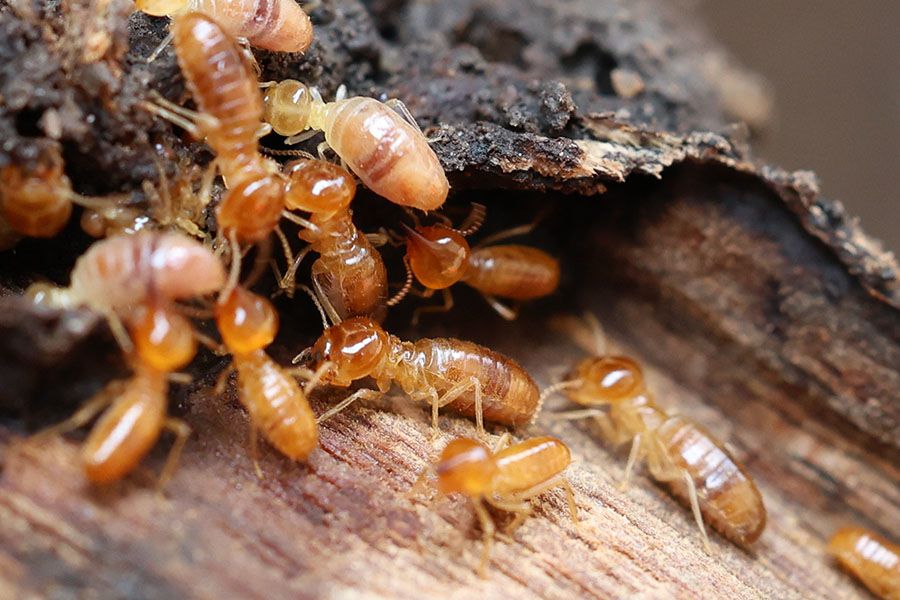
Applying a borate-infused treatment to wood prevents it from biodeterioration. For insects, borate biocides are lethal. These formulations can also prevent fungi from damaging wood by attacking them on a cellular level, disabling their ability to digest wood.

Because of its superior protection and environmentally safe properties, borates are essential to modern applications such as the wood used in home construction.



More stories

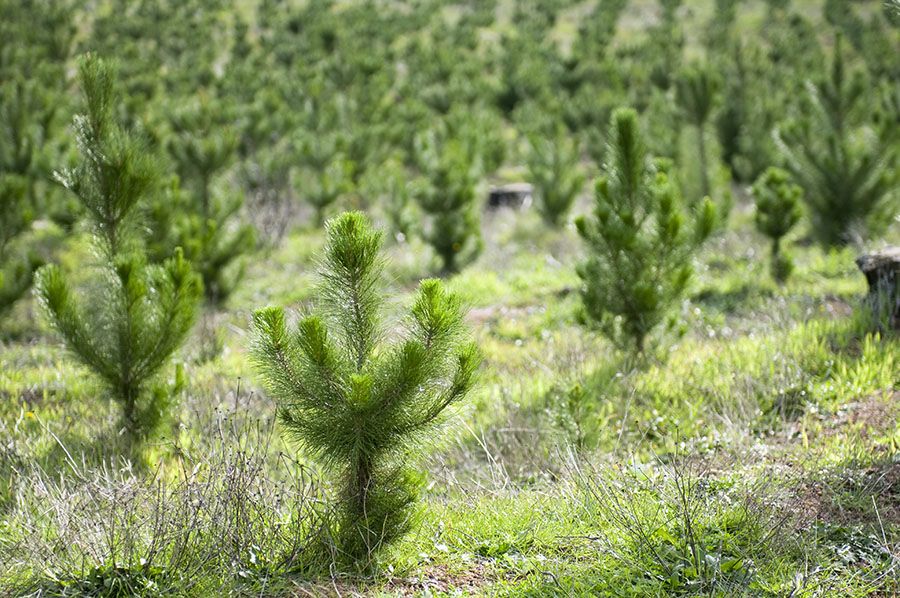
Protecting sustainable building materials
The search for more environmentally sustainable building materials leads to continuous innovations. Borates provide anti-pest and antifungal properties that enable more sustainable solutions.
Read more >
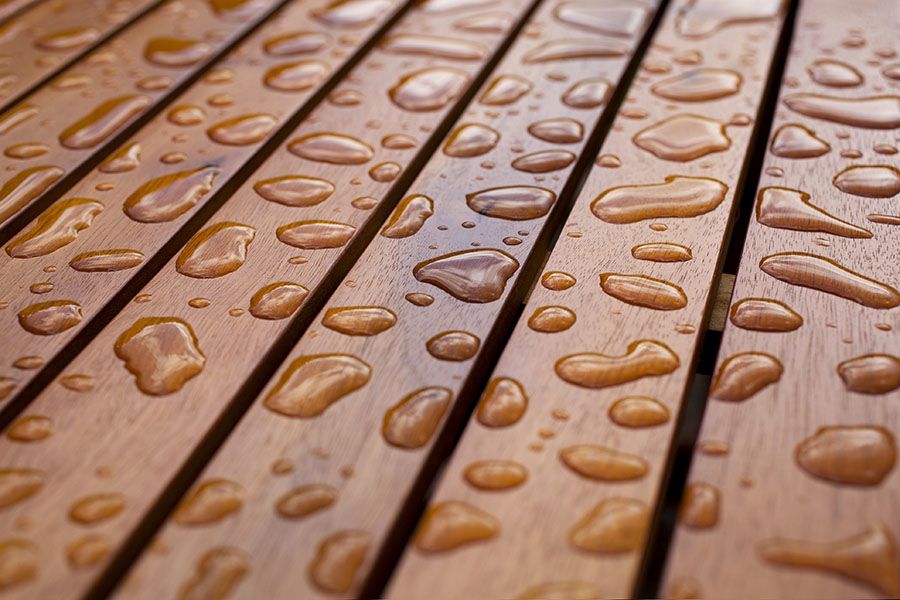
Borate wood treatments: Keys to success
Your customers deserve long-lasting wood products. That means protecting your wood products for years. There are three facets involved in getting it right: A properly concentrated solution, the right treatment, and working with an experienced partner.
Read more >

Changing urban skylines
Cross-laminated timber (CLT) is increasingly viewed as a viable, sustainable alternative to steel and concrete in construction. U.S. Borax is helping researchers improve CLT’s resistance to fire, moisture, and insect damage to meet international building codes.
Read more >