
Borates in the kitchen



The kitchen is one of the most borate-rich places in your home. Borates bring convenience, safety, and cleanliness to this well-used room.
On your shelves
Cooking in the kitchen starts with borates in your hands. Consult a cookbook or reach for a carton from your refrigerator shelf and the adhesives that hold it together include borates. The borate improves stickiness and makes adhesives easier to apply in manufacturing.


Don't use traditional cookbooks? The phone or tablet you use to look up a recipe also contains borates! The screen is made of thin film transistor liquid crystal display (TFT LCD) which is a specialized borosilicate glass.


Glazing your tiles and dishes
In traditional ceramics, concentrated borates increase strength and improve resistance to scratches and chemicals for kitchen products such as:
- Floor and wall tile
- Domestic tableware and cookware
- Sanitary ware such as ceramic plumbing fixtures

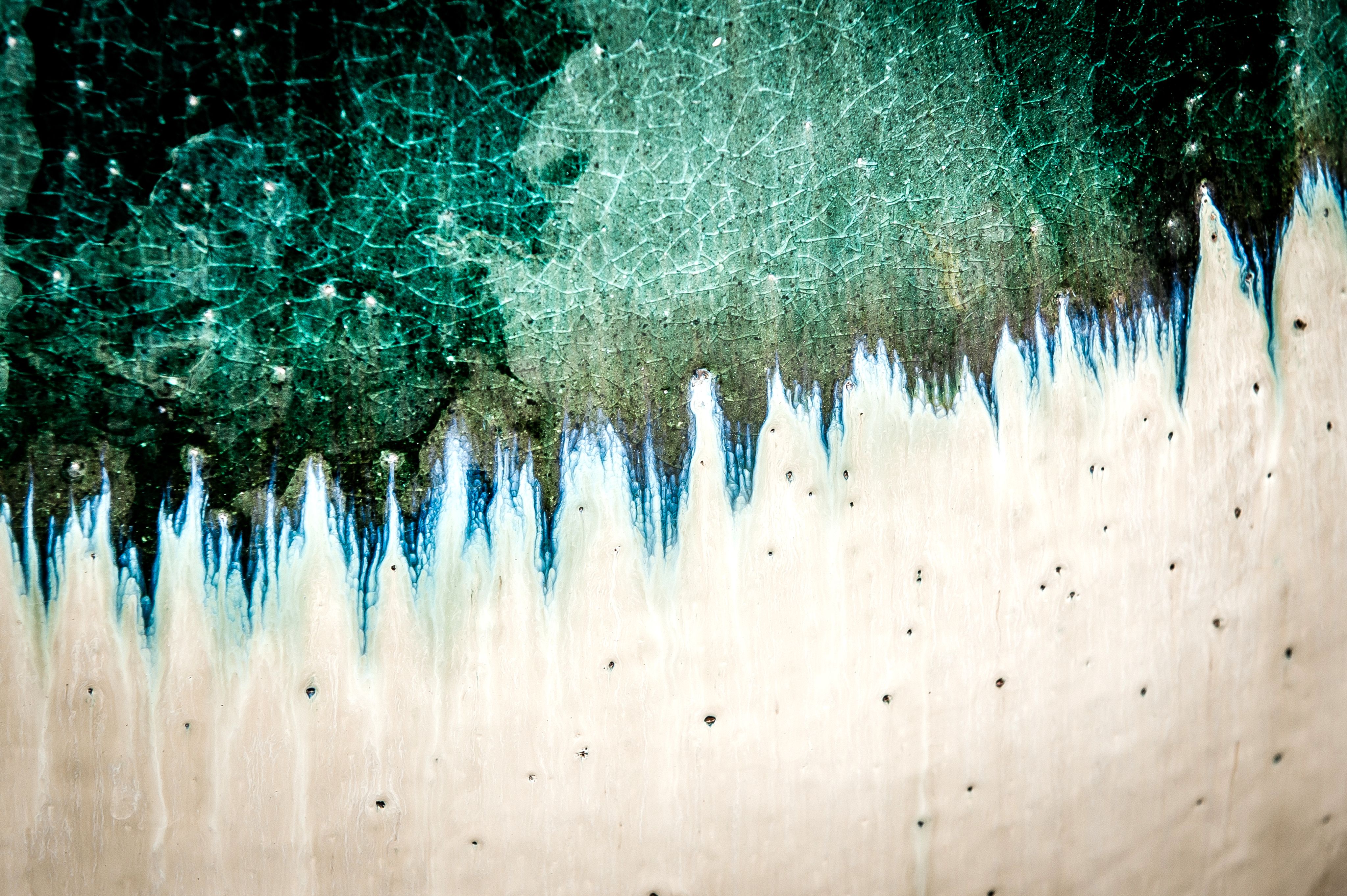
You can also find borate glazes in decorative pottery such as bowls and vases.

In your knife block
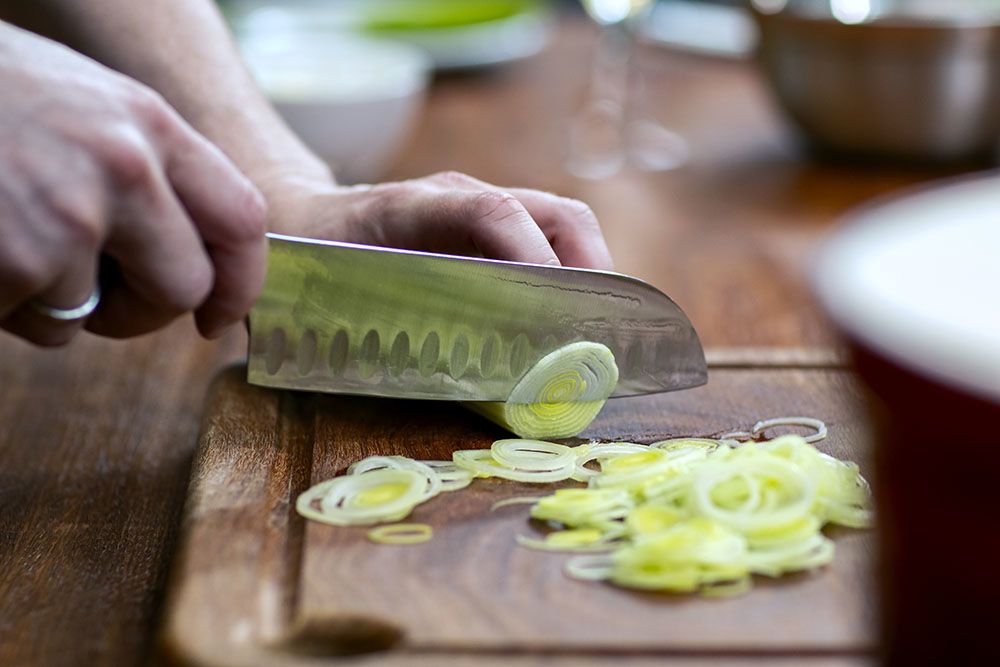
Metal borides are very hard substances with high melting points. Carbon can also combine with boron to form a very hard substance—boron carbide (B4C) which approaches the hardness of diamond. It is used to coat domestic knife sharpeners.

In your large appliances
Borate-enameled steel is used for its durability and simple cleaning on stoves and refrigerators (as well as washing machines and dryers).
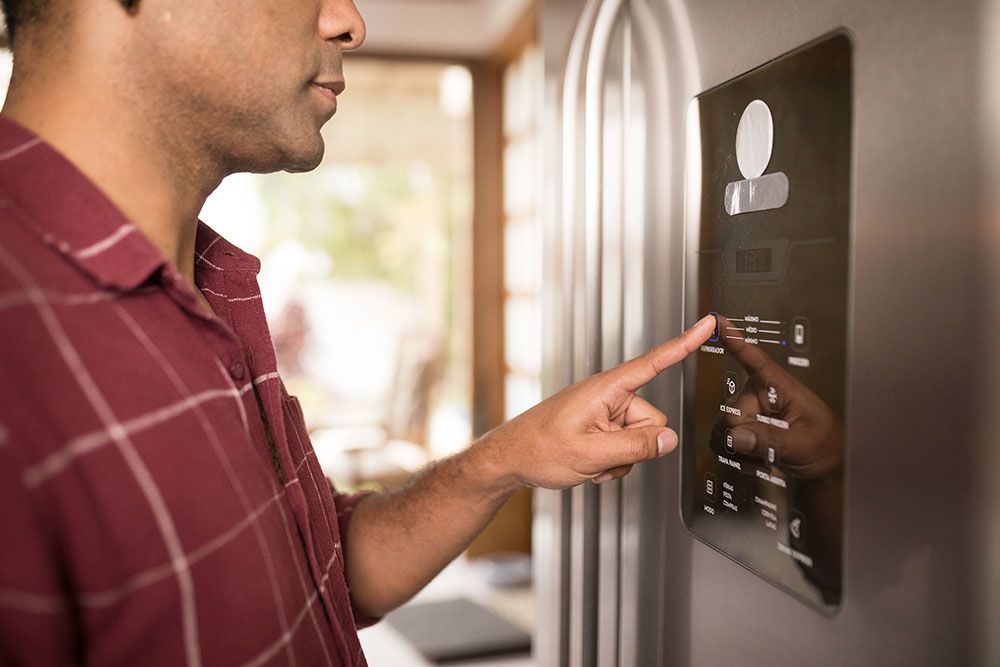
If you have a smart fridge, the same TFT LCD screen found in your phone is also used here.
Making cooking easier
The microwave has revolutionized the kitchen—giving people the ability to cook in minutes. Many microwaves come with a hygienic borosilicate enamel linin, which has been found to use less energy and so reduce the destruction of vitamins. Digital timers use a liquid crystal display which has a thin-film transistor made from borosilicate glass.

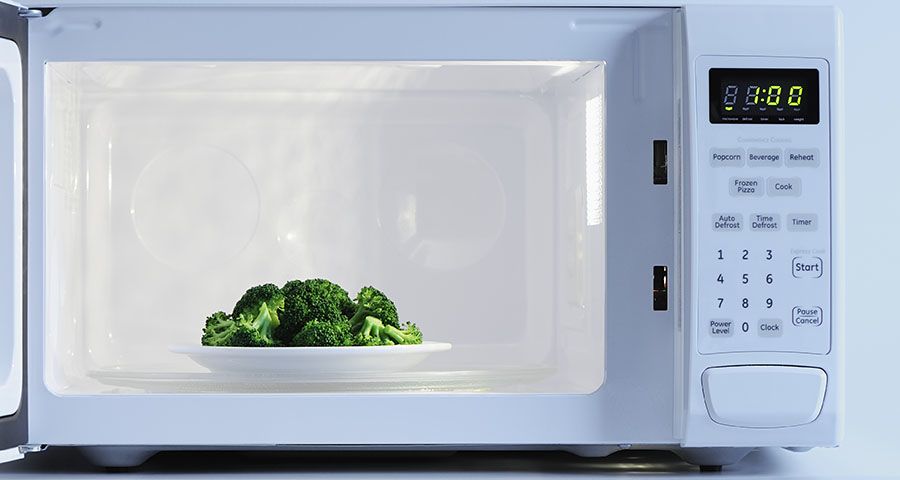
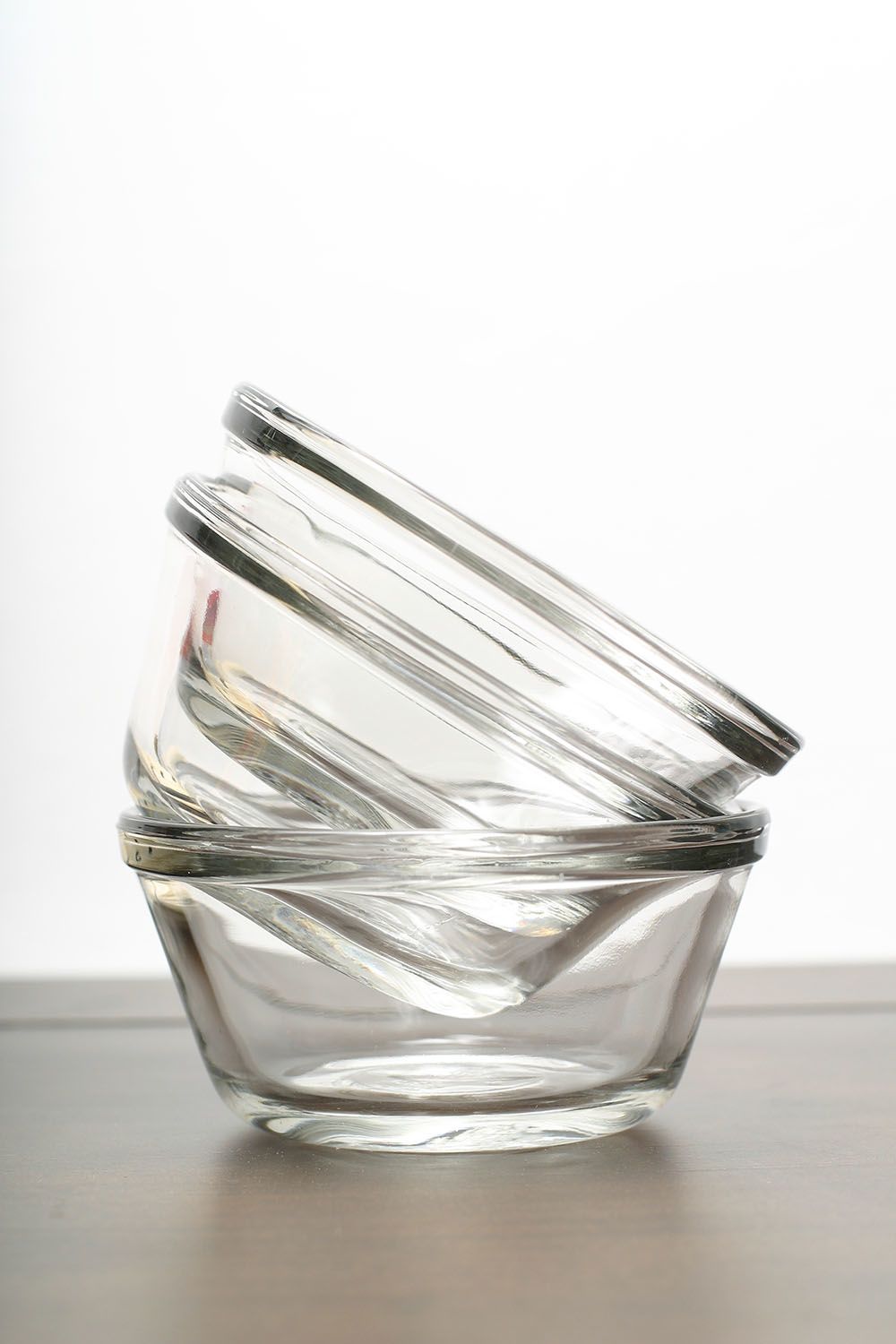
The microwave safe glassware you use to cook your food is made from boron. Borosilicate glass can withstand high temperatures making them especially useful around the kitchen.
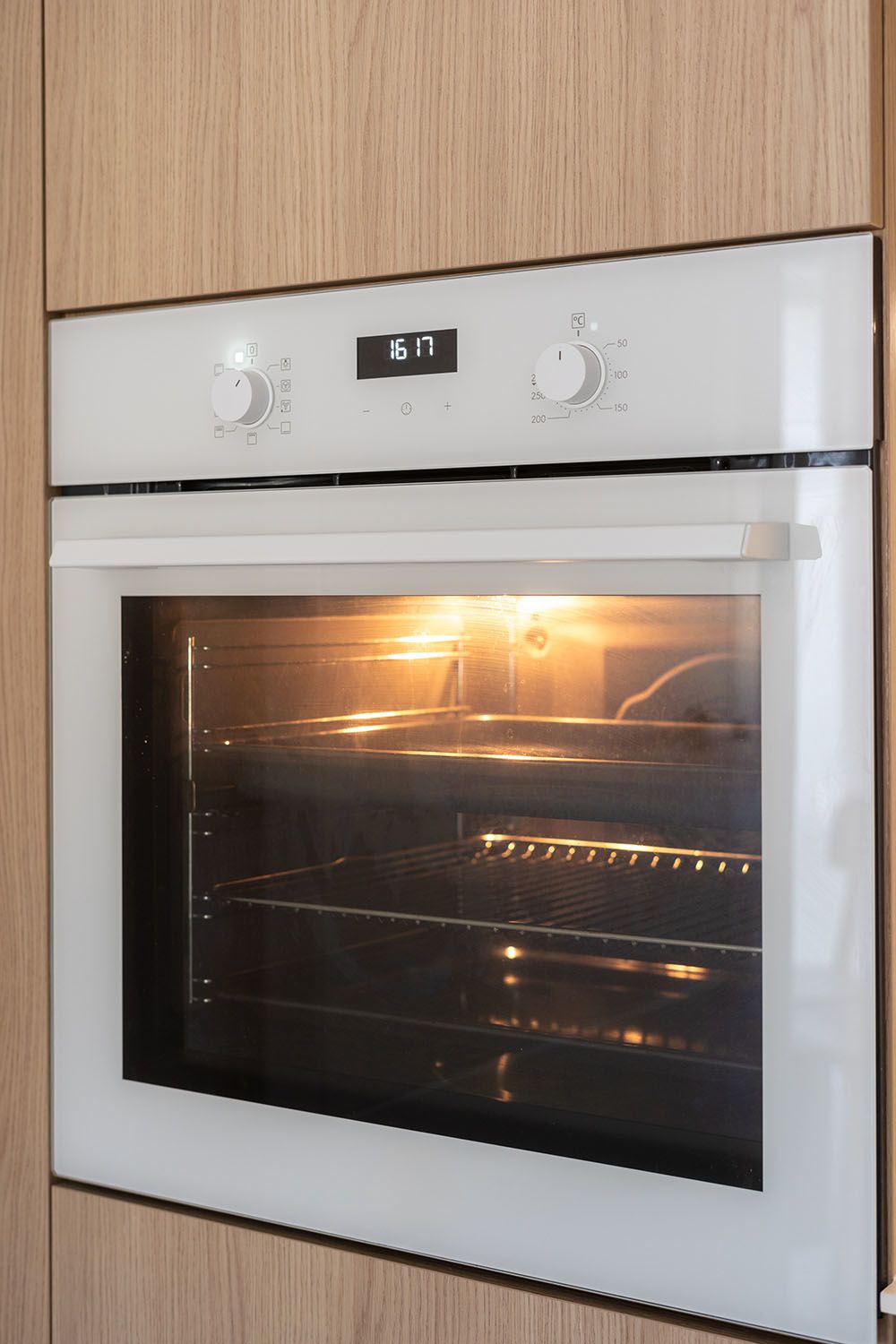
Opening the oven door to check on what’s inside allows heat to escape, extending cooking times. With a glass door—made of borosilicate to withstand high temperatures—you can watch food without heat loss.
Keeping your sink in order
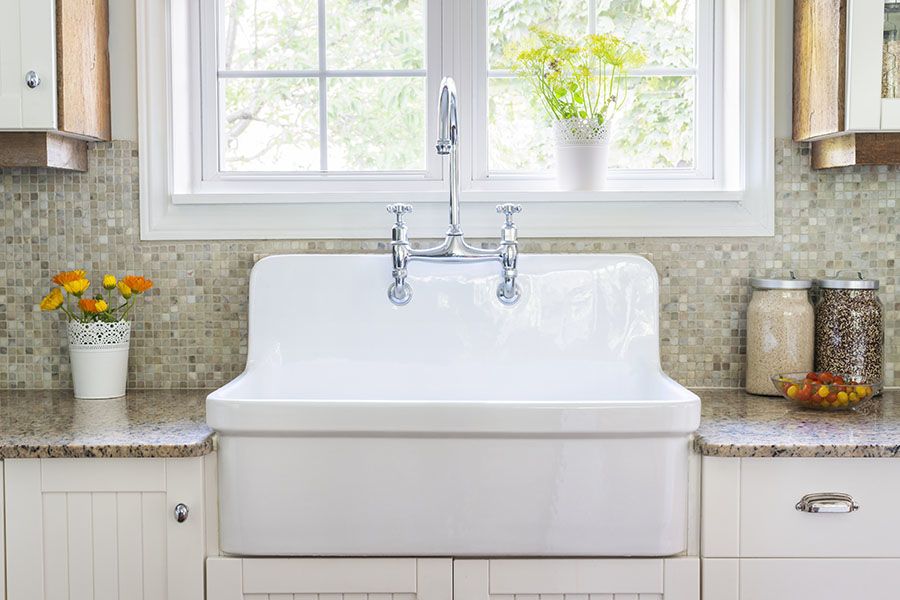
Many sinks and drainers are enamel-coated steel. They are hard, durable, attractive, and easy to clean. The glassy enamel coat contains nearly 10% borate which aids in the melting of the glass and its adhesion to the steel. If you have a translucent all-glass sink, it’s made of borosilicate glass.

Borates can improve the tack performance of caulks and sealants around your sink and plumbing. But it’s their excellent fire retardancy performance that can provide unique value as an additive in these applications.
If the kitchen is the heart of a home, borates are at the heart of the kitchen. By improving the durability, ease-of-use, and performance of materials and products essential to modern living, borates have become an integral part of our lives.
Now that you know just a few examples of where you can find borates in your home, learn more about about this amazing mineral.